Espaço
Atlântico sul
Artigos (32)

Elisabeth Nobiling and the German Immigrant Experience in Post-War São Paulo
The career of the German-Brazilian sculptor, ceramist, and engraver Elisabeth Nobiling illuminates the dynamics of cultural integration within Brazil’s modernism. This article explores the context of German immigration and the negotiation of immigrants’ identities in the modernist milieu.

À travers l’objectif de Germaine Krull : exil féminin et cultures coloniales
En 1941, Germaine Krull entame un exil marqué par deux traversées atlantiques qui l’amènent en Martinique, en Guyane, au Brésil puis en Afrique-Équatoriale française. Cet article explore ce voyage au « féminin » et les échanges culturels nés de ce parcours, entre rencontres, hybridations esthétiques et logiques coloniales.

Art autochtone et surréalisme : quatre sculptrices chiliennes à Paris
Les voyages transatlantiques de Santiago à Paris des sculptrices chiliennes María Teresa Pinto, Juana Müller, Lily Garafulic et Marta Colvin renouvellent notre compréhension des échanges artistiques modernistes, où la redécouverte de l'art précolombien s'articule à l'influence du surréalisme international.

Écrire l’histoire des femmes et de la photographie dans l’espace atlantique
Les femmes ont contribué à façonner l’histoire de la photographie et de ses circulations transatlantiques depuis les débuts du medium. Écrire cette histoire du point de vue des femmes invite à déplacer notre regard et nos cadres de lecture pour mettre en lumière leurs rôles de passeuses à la croisée des scènes culturelles.

The Creole Atlantic
How can cultural exchanges across the Atlantic be theorized outside of Gilroy’s Black Atlantic heuristic, especially when looking at cultural practices developing in Africa? The idea of a Creole Atlantic allows for including South-South connections and situating a redefined, creolized Africa at the core of the Atlantic paradigm.

Musical Dialogues between Cuba and West Africa in the Cold War
In the middle of the 1960s in Cuba, young Malian musicians created the band Las Maravillas de Mali. The essay explores the political and musical transatlantic dialogues between Malian and Cuban musicians in the light of the cultural diplomatic exchanges initiated between Cuba and newly independent socialist African countries within the Cold War.

As viagens transatlânticas de Chris Marker
Este artigo apresenta as redes estabelecidas pelo diretor de cinema Chris Marker. Se não é possível restringi-lo com o rótulo de “cineasta transatlântico”, é possível dizer que grande parte das sólidas pontes que criou em sua trajetória cruzaram esse oceano, especialmente quando se considera seu interesse nos anos 1960 e 1970 pela América Latina.

Ruy Guerra, o “cineasta viajante”
Ruy Guerra (RG) nasceu em 22/08/1931, em Lourenço Marques (hoje Maputo), capital da colônia portuguesa de Moçambique, às margens do oceano Índico. É apontado como um “cidadão do mundo” por sua vivência e produção cultural espalhada em diversos países situados nos três continentes à beira do Atlântico.

“C’era un Ragazzo...Era un muchacho...Era um garoto...”: uma balada pop italiana e seus ecos atlânticos
“C’era un ragazzo che come me amava i Beatles e i Rolling Stones” gravada originalmente em italiano, em 1967, por Gianni Morandi, foi apropriada em vários contextos culturais e nacionais ao representar um “tipo ideal” de juventude e uma forma de protesto político moderado e humanista, contra a Guerra do Vietnã. Porém, nunca foi gravada em inglês...

Le théâtre communautaire argentin : réseaux et circulations
Le mouvement du théâtre communautaire argentin, né dans les années 1980, est aujourd’hui une référence internationale. Cet article examine la manière dont il s’est développé, au sein de réseaux latino-américains et euro-américains, en suivant la trajectoire de deux de ses promoteurs et en explorant son implantation en Espagne.

Transatlântico
Mesmo em um cenário historiográfico dominado por olhares globais, o interesse no Atlântico persiste – talvez porque disputas do presente sigam ressignificando travessias oceânicas passadas

The Transatlantic Ballad of Alan Lomax
Studying vocal performance styles during his time in Europe during the 1950s, the US ethnomusicologist Alan Lomax (1915-2002) transformed his regionalist approach to folk songs into a global framework. His “Cantometrics” and “Global Jukebox” projects show how a “reverse” transatlantic experiences can produce transnational maps of song and culture.

Theater of the Oppressed: Intercontinental Trajectories
From its 1950s roots in Brazil to its proliferation around the world, the history of Theatre of the Oppressed has been about artistic, political and human exchanges. This article analyzes the movements that fostered the development of a trailblazing theatrical practice in Latin America and Europe that can now be found on every continent.

Fonografia digital e circulação musical transatlântica
O artigo apresenta os principais processos envolvidos na produção e circulação da música gravada promovidos pela tecnologia digital em geral e no mundo transatlântico.

O imaginário revolucionário no cinema de Santiago Álvarez Román
Santiago Álvarez Román (1919-1998) foi um cineasta cubano, diretor dos Noticieros ICAIC, cinejornal oficial da ilha caribenha pós-revolução, que desenvolveu uma inventiva e persuasiva narrativa documentária ao registrar personagens, situações e eventos da realidade político-social nacional e internacional dos anos 1960 aos anos 1990.

Circulating West-African Photographs in the Atlantic Visualscape
In the second half of the 19th century, photographs circulated widely in a triangular region stretching between northeastern South America, Great Britain and West Africa, giving shape to a shared visualscape, where portraits of the African elite and exploration photographs often followed similar routes.
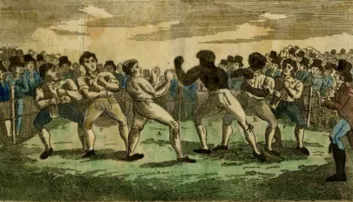
Boxing
Boxing is a major modern sport. Codified in England at the end of the eighteenth century, it became a privileged space of symbolic confrontation of races and nations, dominated by a virile image of manhood. It participated in the regulation of violence, to the detriment of other martial practices in Africa and Europe.

Periodizing the Atlantic
A major challenge for the Transatlantic Cultures project has been creating a historical periodization that would explain not only shifting overarching systems of interchange throughout the Atlantic since the end of the 18th century, but also transformations and disruptions specific to places within this space.

Maracatus transatlânticos
Grupos típicos de Pernambuco, Brasil, os maracatus expressam através de música, dança e rituais, antigas conexões com a África e os reis negros do período escravista. No século XX, os maracatus passaram a se apresentar no carnaval de Recife e Olinda, e no século XXI vêm se difundindo, como prática de músicos amadores, no Brasil e além-mar.

Artistic Education and Artist Training
The Atlantic is the setting for many exchanges in the education of artists, especially painters. Since the colonial period mentors and teachers, art students, journals, books, and textbooks have been exchanged, principally between Europe on one side and the Americas and Africa on the other.

Fernando Ortiz e a rede transatlântica de intercâmbios
Fernando Ortiz (1881-1969) desenvolveu uma obra pioneira que estabeleceu os fundamentos para o estudo sistemático do papel da população negra na história de Cuba, sobretudo no campo das relações raciais e das manifestações culturais.
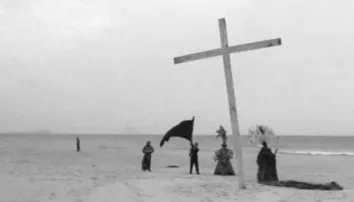
Glauber Rocha
A dimensão transatlântica do projeto estético do cineasta brasileiro Glauber Rocha será discutida a partir de três aspectos: 1) Sua experiência biográfica; 2) O universo dramatúrgico e narrativo de seus filmes; 3) Os esquemas iconográficos do seu cinema.

Atlantico Sul
O Atlântico Sul é um espaço de circulação abordado em três períodos distintos. O primeiro se inicia quando o almirante português Álvares Cabral toca a costa sul-americana. Esse período se encerra com o fim do tráfico bilateral de escravos entre o Brasil e a África (1850). As independências das nações africanas iniciam um terceiro período.

Paulin Soumanou Vieyra
Paulin Soumanou Vieyra (1925-1987) nasceu em Porto Novo (Benin). Estudou no Institut des hautes études cinématographiques (IDHEC) em Paris. Sua biografia e cinematografia revelam a trajetória de um cineasta da diáspora africana inspirado pelo movimento da Negritude e cujos filmes integram o patrimônio cultural do Atlântico negro.

Revista Cine Cubano
A revista Cine Cubano, criada em 1960, promoveu por mais de quatro décadas a circulação de notícias e resenhas sobre o cinema latino-americano e sua difusão no mundo todo. Registrou produções e visitas de cineastas a Cuba, festivais internacionais e importantes debates envolvendo filmes, realizadores e o papel do cinema na sociedade contemporânea.
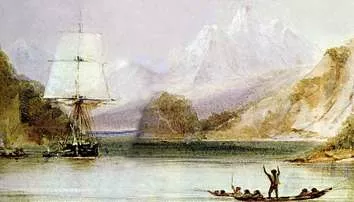
Robert FitzRoy
Robert FitzRoy foi o comandante britânico responsável pelo HMS Beagle nas expedições empreendidas nas décadas de 1820 e 1830. O relato de suas viagens, publicado em 1839, estabeleceu comparações entre a colonização católica ibérica na América do Sul e os projetos para a expansão imperial britânica.

The American Century
In 1941, the influential publisher Henry Luce declared the century “American.” The United States’ new role was to redefine the world order, and this mission relied not only upon military power but also upon prestige and culture. To a large extent, this “universal” America was shaped by a historical and geographical construction of the Atlantic.

Cartografias transatlânticas da música popular nas américas
A música popular é frequentemente analisada a partir de “gêneros musicais” nacionais. A historiografia da música, já há algum tempo, vem problematizando esta abordagem pautada pelo recorte nacional. Nesta linha, propomos uma cartografia, centrada nas trocas musicais entrecruzadas entre Europa, Américas e África.

Transatlantic Operatic Networks during the Nineteenth Century
This article explores operatic networks in the nineteenth century, with a focus on mobility between the Americas, Europe, and the Caribbean. After a brief introduction to the history of opera in these places, it goes on to consider themes of infrastructure and agency, as well as methodological questions relating to the study of these networks.
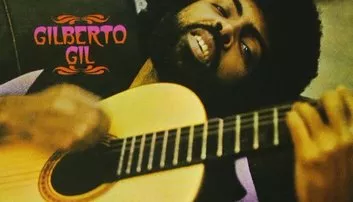
Gilberto Gil
“Eu soube que a música era minha linguagem, mesmo. Que a música ia me levar a conhecer o mundo”. Do movimento pop Tropicália às colaborações com Jimmy Cliff, o compositor, violonista, e cantor brasileiro, se afirmou como um mediador cultural de primeira grandeza. A sua trajetória abraça a diversidade dos gêneros musicais do espaço atlântico.

Wifredo Lam and Transversal Surrealism
Cuban-born artist Wifredo Lam was a key figure of Surrealism's transversal network in the 20th century. His work explored Afro-Caribbean syncretism and the haunting memory of the transatlantic slave trade. His resistance against colonial oppression developed in later collaborative projects with Aimé Césaire and Joyce Mansour.

Viagens científicas da Marinha dos Estados Unidos (U. S. Navy) no século XIX
Os intercâmbios científicos tornaram-se centrais no século XIX e indispensáveis para os processos de globalização e para a redução das distâncias. As viagens da US Navy fizeram parte dessa empresa.